There is no store here: the market gap format
One opening line, a promise and mock-ups: how the format stages new ideas as a gap in the market.
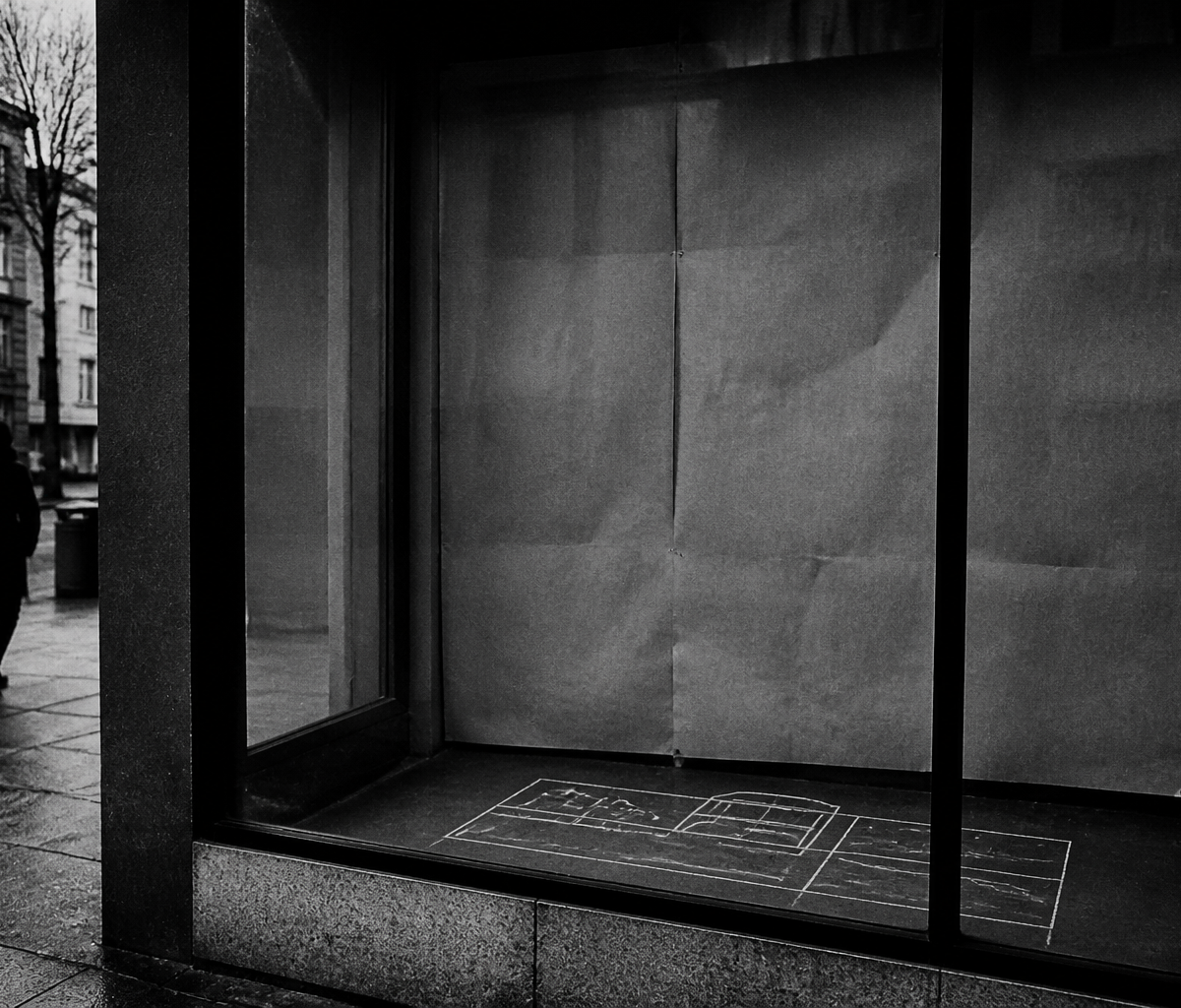
The format begins with a statement that sounds like a shortcoming. The opening line is typically: “There is no [concept or store] here.” The sentence names something that apparently does not exist in the location, whether a café concept, a shop or an offer.
The second sentence follows: “Let’s build one.” It turns the statement into a promise. Meanwhile, matching video clips or mock-ups play, showing what the solution could look like.
The mechanic is a miniature hero’s journey lasting just a few seconds. First a problem emerges that many viewers can relate to, then comes the decision to solve it, and finally an image makes the idea tangible. Viewers can recognise themselves in the gap and are curious whether the idea will actually be realised.
Who it suits
The format is especially suited to start-ups, small projects and creators who want to present a new idea or product in a playful way. It generates attention for innovations without requiring a finished product. Mock-ups are enough as proof.
Anyone who wants to copy it should name the gap as concretely as possible. A clearly described place or an everyday situation seems more credible than a grand claim. The appeal lies in showing an idea while it is still taking shape, so the audience is there from the beginning.
Example: video on TikTok
Cover image: AI-generated